Why serious off-road riders pay attention to peg placement, standing posture, and weight transfer
Most riders blame suspension first.
Bike feels unstable? Front end pushing? Arms blowing up halfway through the trail? Hard to stay balanced in ruts or rock sections?
Everyone starts chasing clickers, tires, bars, or steering dampers.
But a lot of times, the real issue is happening lower on the bike — right under your boots.
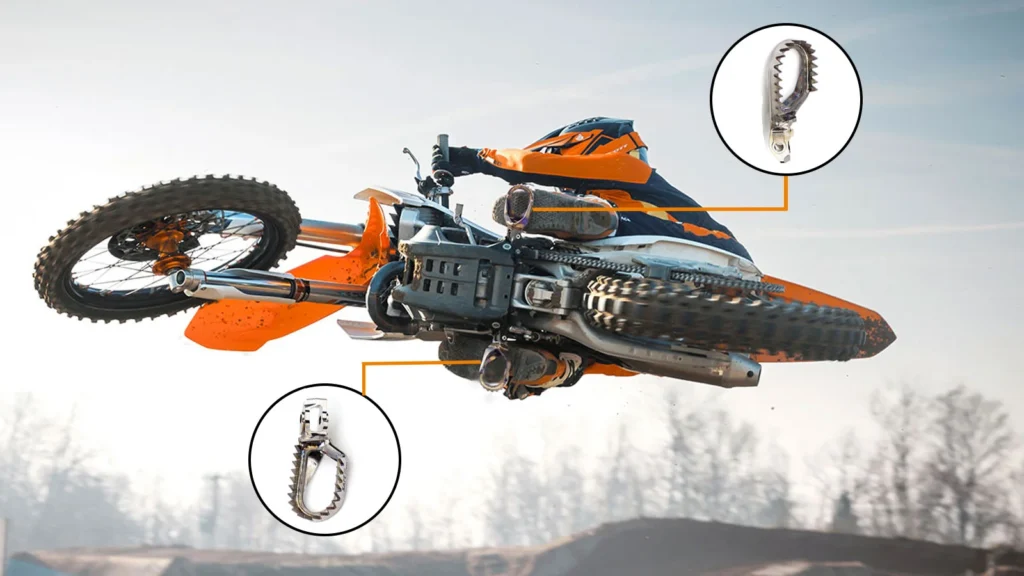
Footpegs are one of the most important control points on any off-road motorcycle. They affect how the bike moves beneath you, how your body reacts to terrain, and how much confidence you have when things get rough.
And once the trail gets technical, peg position matters even more.
A small change in footpeg setup can completely change the way a motorcycle feels.
More stability. Better balance. Stronger corner control. Less fatigue. More confidence standing up.
That’s why experienced riders pay attention to peg placement just as much as suspension setup.
At SAFETi, we see footpegs as more than a replacement part.
They are part of the rider control system.
Built for hard landings, aggressive terrain, and riders who spend more time standing than sitting, the right peg setup helps create a stronger connection between rider and machine.
Why Does Footpeg Position Affect Motorcycle Control So Much?
A motorcycle is controlled through three main contact points:
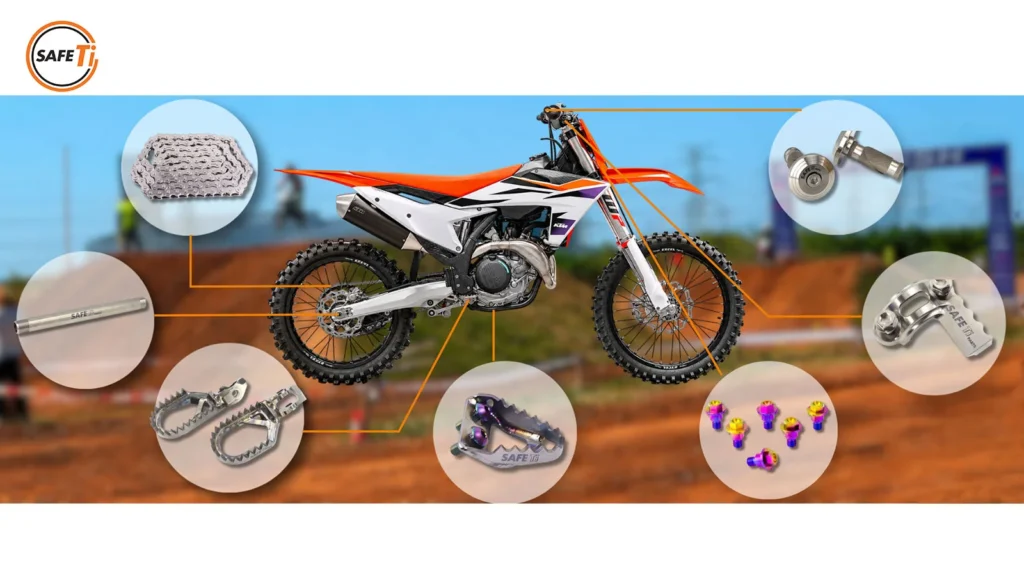
Handlebars/Seat/Footpegs
Most people think control starts in the handlebars.
Off-road riding proves otherwise.
When speeds increase and terrain gets rough, real control comes from the lower body. Your feet and legs stabilize the motorcycle while your hands guide direction.
That’s why experienced riders stay light on the bars and heavy through the pegs.
Footpegs become the rider’s anchor point.
Every movement transfers through them:
- braking
- acceleration
- corner entry
- standing posture
- body positioning
- weight transfer
Hit a rocky climb standing up and you immediately feel how important peg stability is.
If the platform feels small, unstable, or slippery, rider confidence disappears fast.
But when the pegs feel planted and balanced, the motorcycle becomes easier to move underneath you.
That’s where setup starts changing control.
Even small adjustments can make a huge difference because peg position changes:
- knee angle
- hip position
- leverage
- body movement
- center of gravity
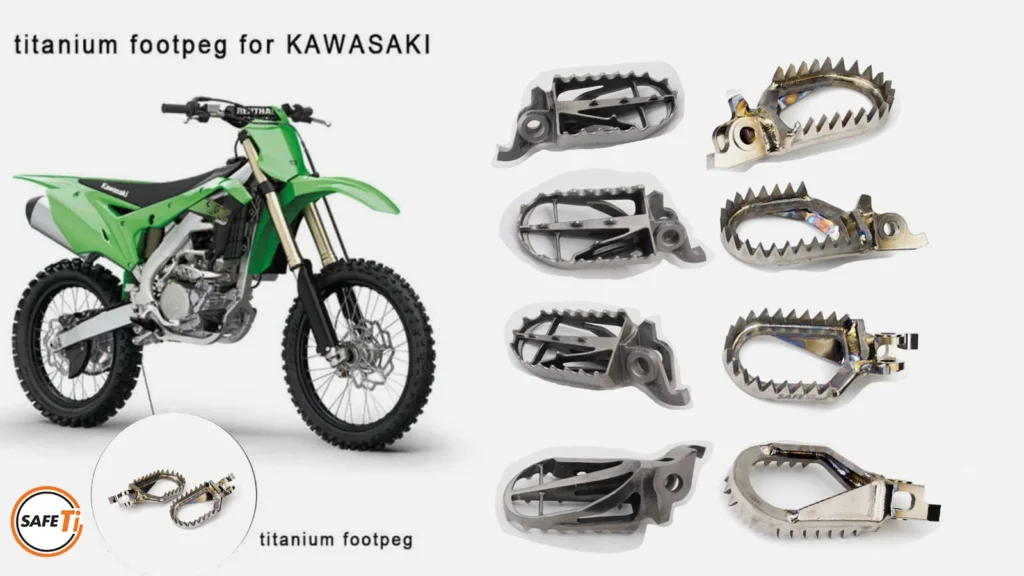
Move the pegs slightly rearward and the bike may feel more aggressive entering corners.
Lower the pegs and standing posture opens up naturally.
Increase peg width and suddenly technical terrain feels more stable and controlled.
It’s not marketing hype.
You feel it immediately on the trail.
Why Do Off-Road Riders Depend So Much on Peg Pressure?
Off-road riding is controlled from the ground up.
The terrain is constantly trying to move the motorcycle away from the rider:
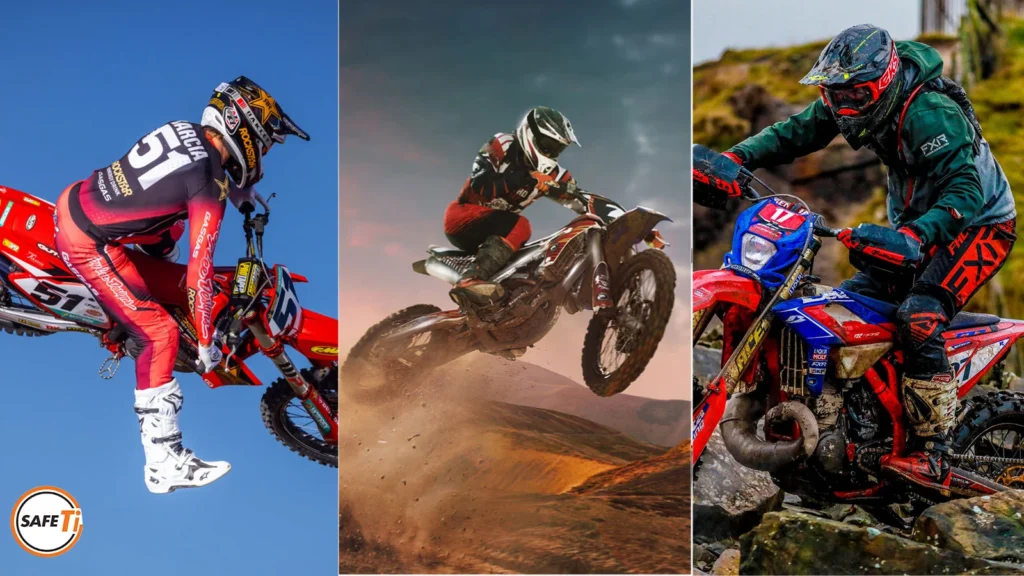
- rocks
- roots
- ruts
- braking bumps
- mud
- hard landings
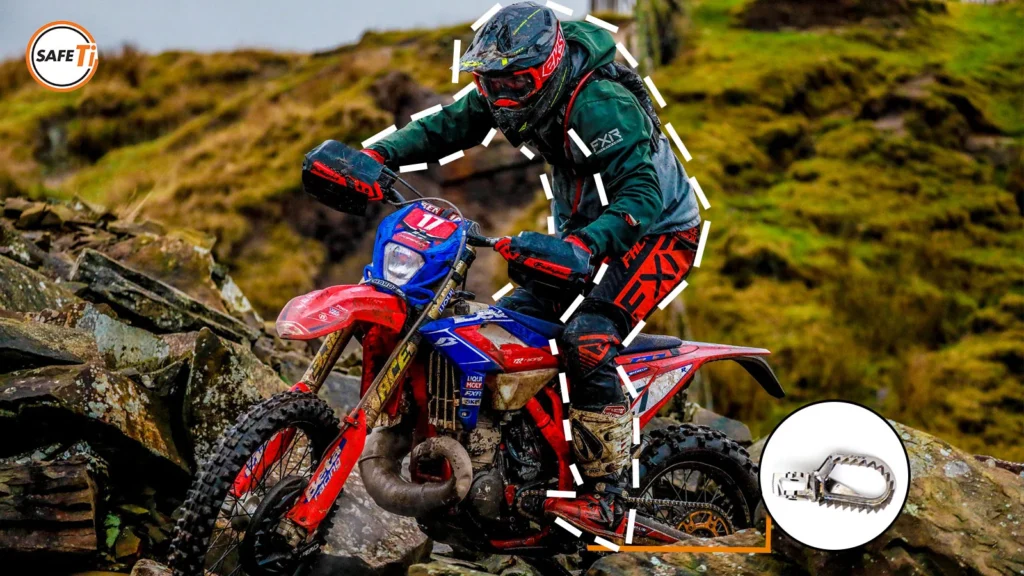
And once you stand up, the pegs become your primary control platform.
Professional riders constantly apply pressure through the pegs to balance traction and stabilize the chassis.
Watch experienced riders closely and you’ll notice something:
They are not fighting the motorcycle with their arms.
They are controlling it with their feet, legs, and body positioning.
That’s especially true in:
- hard enduro
- motocross
- technical climbs
- rough high-speed terrain
The lower body absorbs movement while the bike works underneath the rider.
That’s why peg shape, width, rigidity, and grip all matter.
A weak or unstable peg platform creates fatigue fast.
A stable platform creates confidence.
And confidence changes everything off-road.
Why Wider Footpegs Change the Feel of a Motorcycle
One of the first things riders notice after upgrading from narrow OEM pegs is stability.
Wider footpegs create a larger support platform, especially during long standing sections or technical terrain.
That means:
- better boot contact
- more balance
- faster weight transfer
- reduced foot fatigue
- improved bike control
In deep ruts or rocky climbs, wider pegs help riders stay centered without overloading the handlebars.
That’s one reason aggressive off-road riders often move away from stock peg setups.
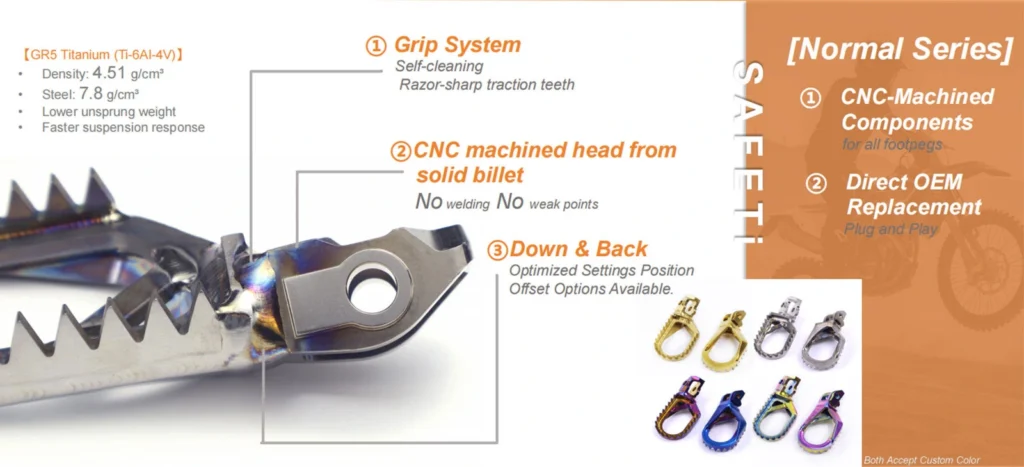
At SAFETi, titanium peg platforms are designed for real off-road riding conditions — not just appearance.
Wider support surfaces, aggressive grip patterns, and titanium construction all work together to create a stronger connection between rider and machine.
Because when terrain gets unpredictable, stability matters.
A lot.
Why Titanium Footpegs Matter in Extreme Off-Road Riding
Off-road riding destroys weak components.
Hard landings, rock strikes, repeated vibration, and aggressive riding loads constantly stress the footpeg platform.
That’s where material choice becomes critical.
Titanium offers a unique balance of:

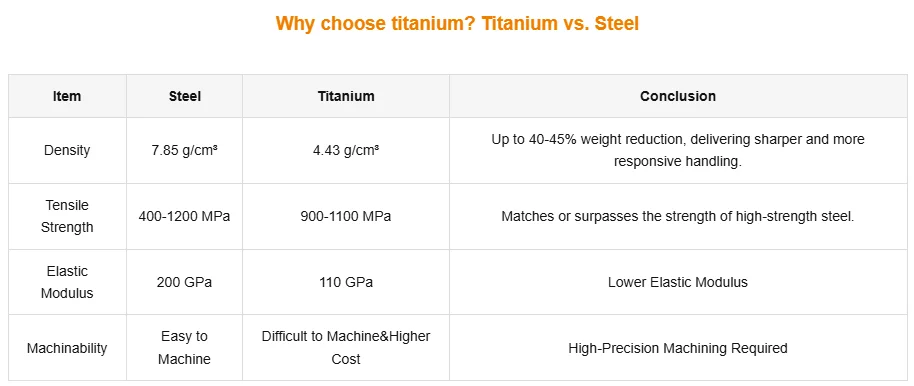
- high strength
- low weight
- impact resistance
- structural rigidity
- long-term durability
For aggressive riders, rigidity changes how the bike feels beneath the feet.
A stronger peg platform creates more direct rider feedback and more predictable body control in technical terrain.
Off-Road Motorcycle Footpeg Modification Guide: How to Choose the Right Footpegs
That’s why titanium footpegs continue gaining popularity in:
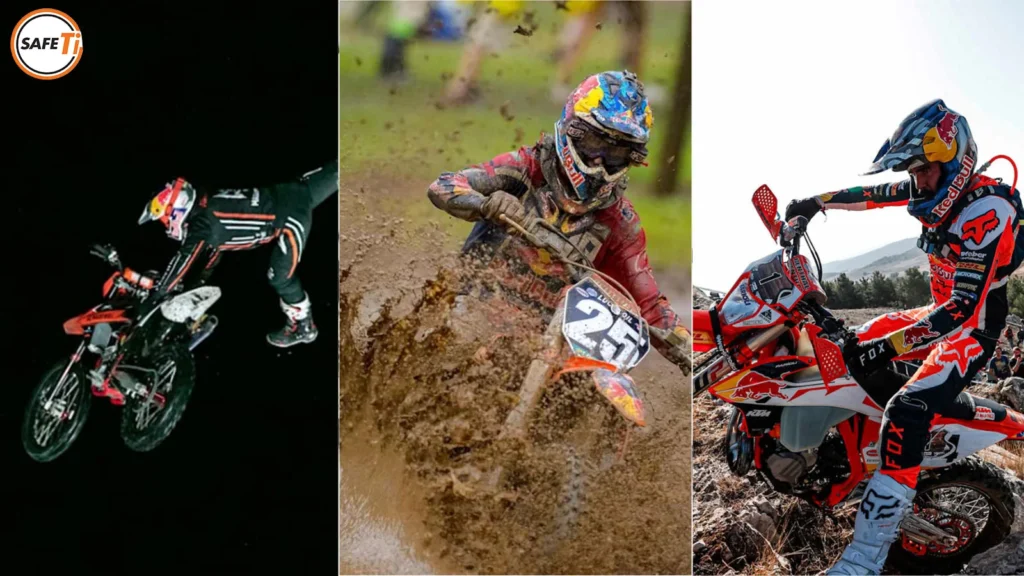
- motocross
- hard enduro
- rally
- technical off-road riding
At SAFETi, performance starts with control.
And control starts where the rider connects to the motorcycle.
Image Credits:
Some images in this article are sourced from publicly available materials and are used for editorial and informational purposes only. All rights belong to their respective owners. If you believe any content should be removed or credited differently, please contact us.